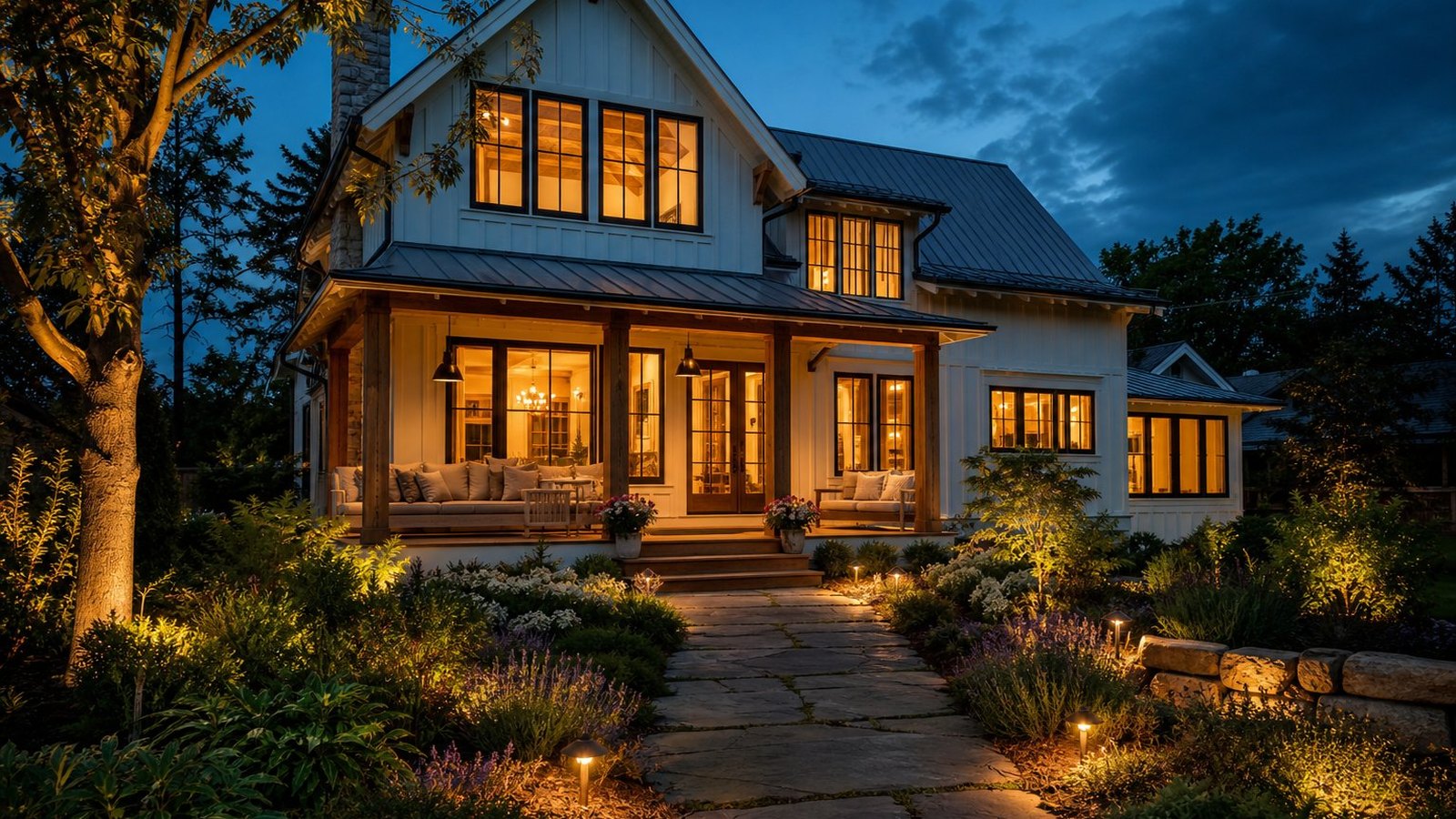
Curb appeal is not decoration. It is the first thing a visitor notices, the last thing a buyer forgets, and the part of your home that has to survive weather, foot traffic and neglect with the least help. A good exterior and garden renovation balances the two things homeowners want most: a house that looks cared for, and a garden that does not demand every weekend.
Read the house before you change it
Every property has a logic — the roofline, the position of the door, the rhythm of the windows, the materials already in use. Renovations that fight that logic look bolted on, however good the individual pieces are. Start by standing across the street and asking what the eye lands on first, and whether that is what you want it to land on.
- Make the entrance the hero: lighting, a solid door, a defined path and a clear threshold.
- Keep materials to a small family — a stone, a timber, a metal — and repeat them.
- Align new elements with the existing rhythm of windows and bays rather than fighting it.
- Fix the unglamorous things first: drainage, gutters, cracked paths, tired paint.
The facade: the highest-impact, lowest-maintenance wins
Repainting or re-cladding transforms a home faster than anything else you can do outside, and modern finishes are far more forgiving than they used to be. Pair that with new house numbers, a letterbox, updated exterior lighting and a door that closes properly, and the property reads as maintained even before anyone looks at the planting. If the roof is tired, do it now — see our guide on planning roofing and solar together before you commit to either.
Hard landscaping sets the bones
Paths, steps, driveways, patios and retaining walls decide how the garden is used, and they are expensive to move later. Get these right and planting becomes a pleasure rather than a problem. Think in terms of routes people will actually walk, a level area big enough for a table and chairs, and edges that make mowing and weeding simple.
A garden that is easy to maintain gets enjoyed. A garden that is impressive but demanding gets resented, and eventually neglected.
Planting in layers, not in rows
The look people admire in other gardens is layering: structure at the back, mid-height shrubs, then ground cover and bulbs in front. Choose mostly plants that suit your aspect and soil, with a few specimens for drama. Evergreen structure carries the garden through winter, which is when a purely seasonal border looks like a mistake. Group the same plant in drifts rather than dotting one of everything — repetition is what makes planting read as designed.
Outdoor living: the room you forgot to build
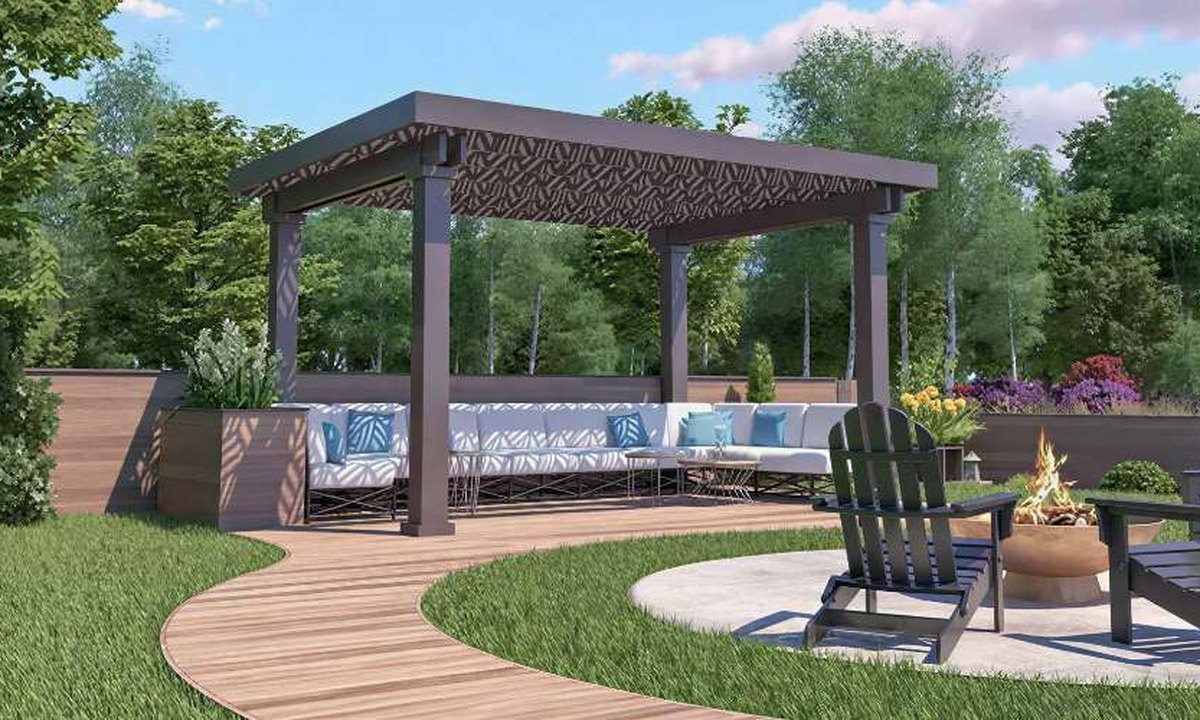
- Decking and pergolas extend the usable season and give the facade depth and shadow.
- Garden lighting on paths, steps and uplighting on trees is safety as much as atmosphere.
- Shade and shelter matter more than size — a small terrace used often beats a large one used twice.
- Power and water outside make the space functional for cooking, lighting and irrigation.
- Storage for cushions and tools keeps the area presentable without effort.
Security and safety belong in the design
Exterior renovation is the natural moment to add lighting-linked cameras, sensible boundary planting, secure gates and good locks on outbuildings. It is far cheaper to plan cable routes while the ground is open than to dig them up again later. Our Home Security team works alongside the landscaping crew so nothing has to be undone.
Planning the sequence
Work from the top down and the back to front: roof and gutters, then facade, then hard landscaping, then planting, then lighting and furniture. Doing it in that order means nothing finished gets damaged by the next trade. If you would like a site visit and a written plan for your exterior, get in touch with our exterior and garden team.